Beneath the Surface: Expert Insights on Water Ride Maintenance
Advice
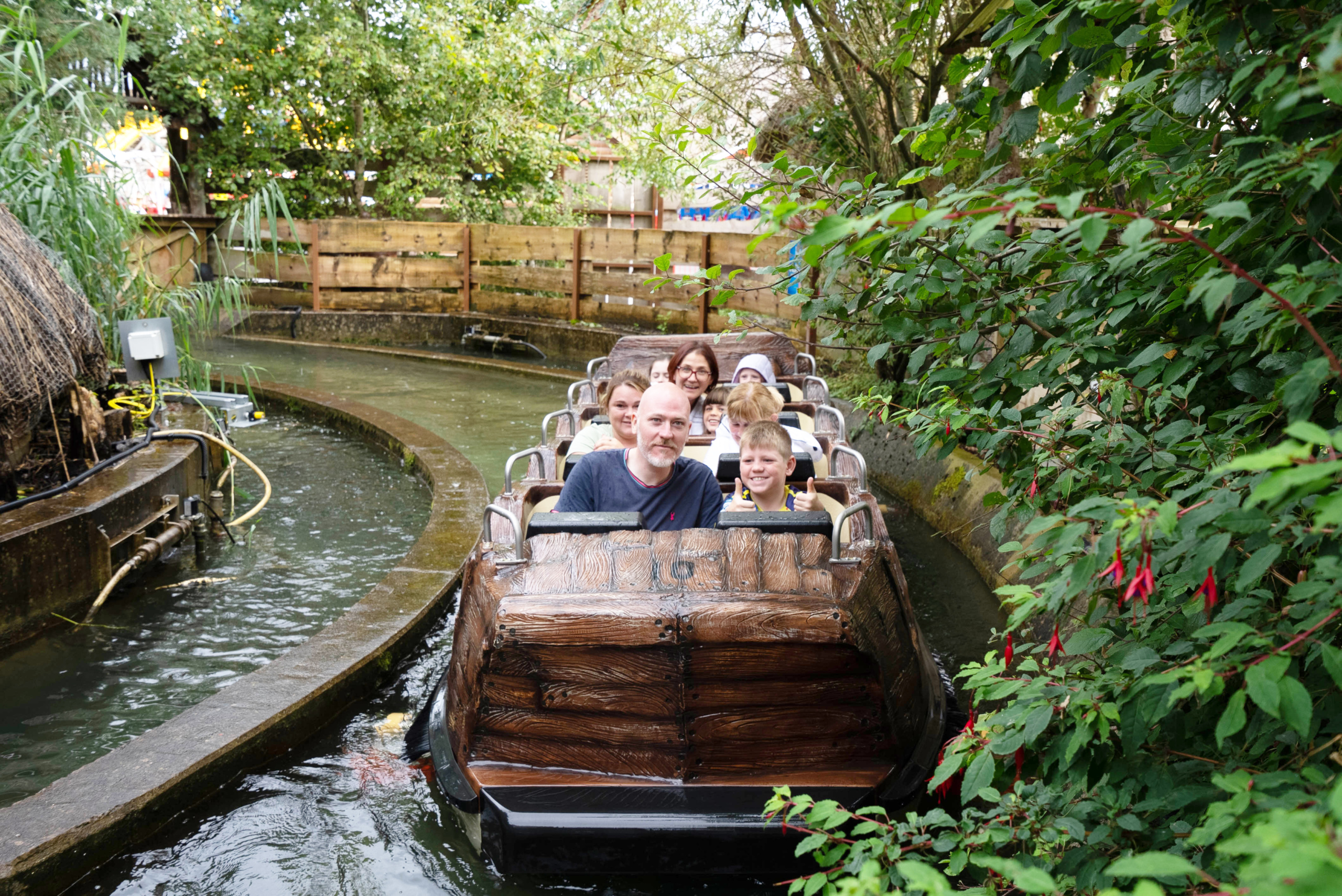
In the world of water rides, even the smallest irregularity can point to a much bigger issue beneath the surface. Elan Groberman, Performance Services Manager at WhiteWater, has spent years fine-tuning the art of detecting problems before they escalate—from the faintest change in sound to subtle shifts in water behavior.

When assessing a ride, what is one small detail that most operators would never notice, but you can immediately spot as a red flag?
The first thing I notice is a change in the way a ride sounds. Maintenance crews often grow accustomed to gradual shifts in noise or vibration, but coming back after time away allows you to hear what’s changed more clearly. I always recommend keeping video or audio recordings of the ride from different locations as a baseline—then refer to them periodically to catch any subtle changes that could indicate developing issues.
In your experience, what’s the most common ‘myth’ about water ride performance or maintenance?
The first myth is that water rides are easier to maintain than roller coasters.
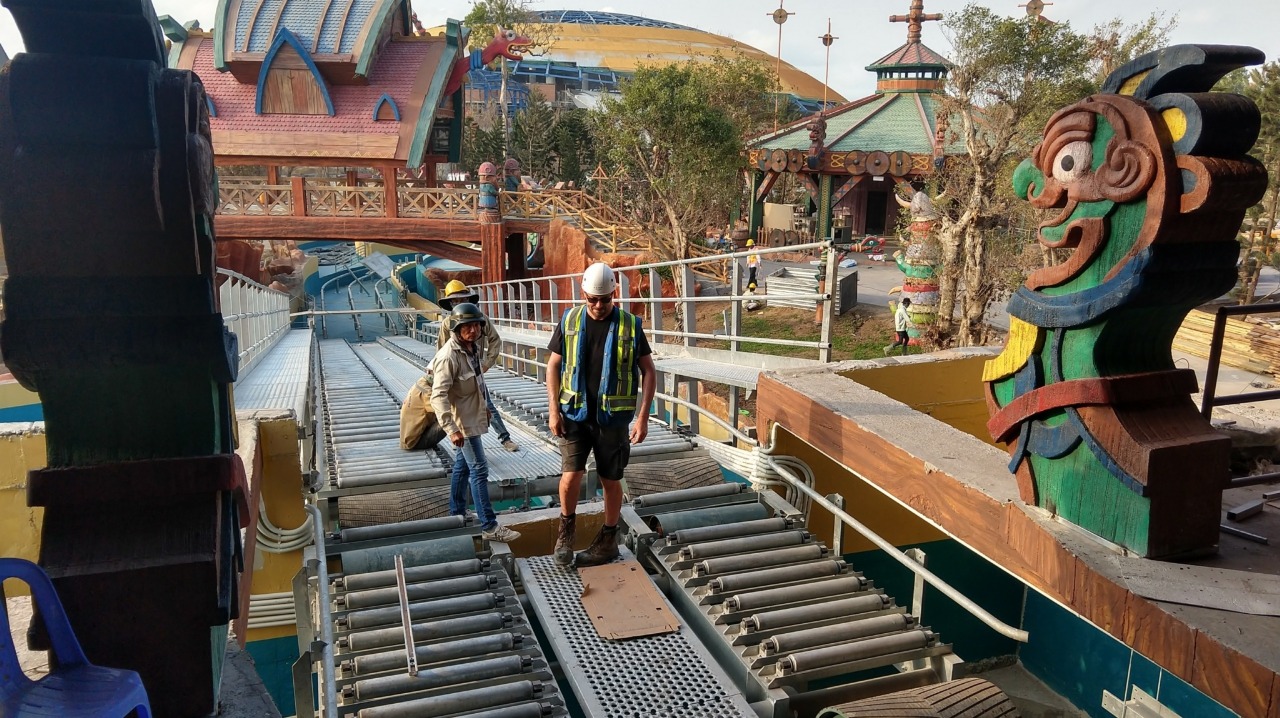
Adding water introduces an entirely new level of complexity. Constant water management, ensuring safe braking zones, and maintaining consistent flow all require continuous attention.
The second myth is that “Water is water—what harm can it do?” Balancing the chemistry of a water ride is as critical as maintaining a pool, but with very different challenges. Instead of dealing with swimmers, you’re managing expensive vehicles, steel structures, and lubricants that all react differently to pH, alkalinity, and chlorine levels. Poor balance can corrode steel, stain vehicles, or even affect guest safety when they get splashed.
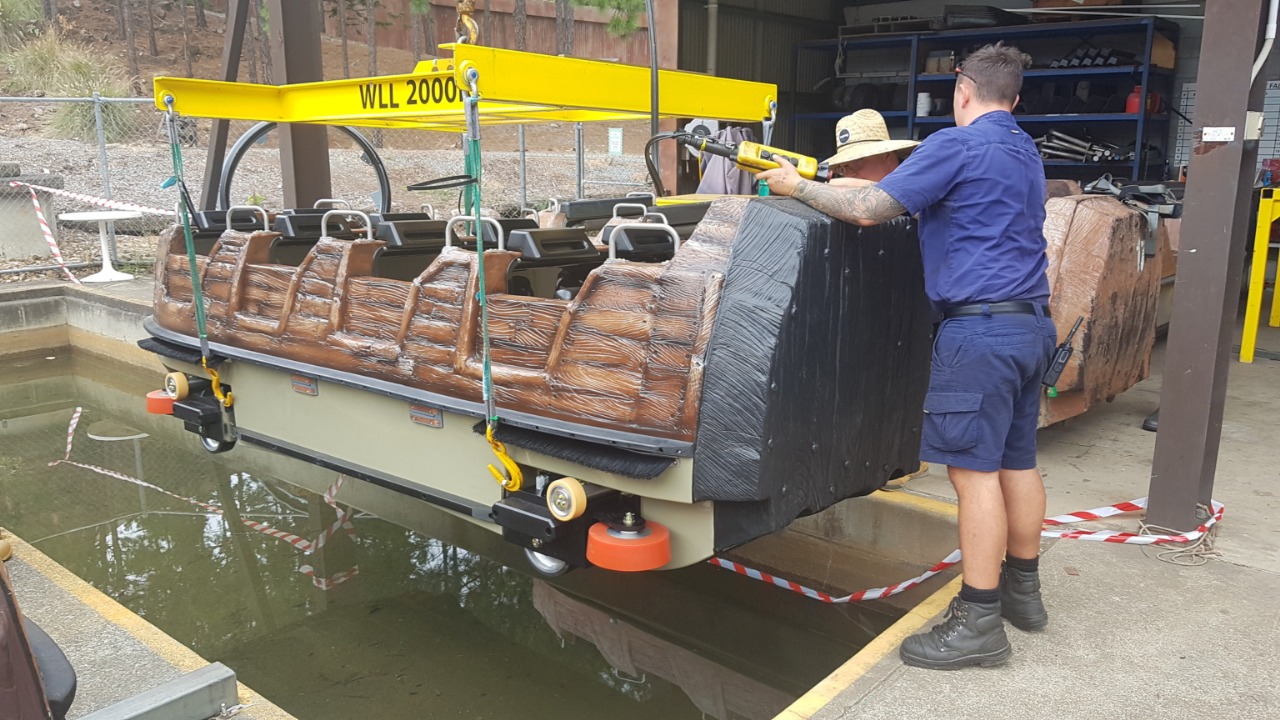
The last one is that draining a water ride protects its components. This is true only to a point. Once drained, parts that were normally submerged and protected are suddenly exposed to air and can corrode rapidly—especially steel chains and submerged structures. If draining is necessary, these components must be immediately treated with protective coatings or lubricants to prevent damage.
Have you ever seen a seemingly minor issue escalate quickly, and what was done to prevent it? The biggest enemy of any water ride starts small – corrosion! It can begin as a tiny rust spot where a coating has been compromised. Left untreated, it spreads, weakening structures and leading to costly replacements. The key is early detection and prompt action: treat rust as soon as it appears, use the right coatings, and apply preventive measures like anodes, corrosion inhibitors, and proper lubricants to keep it from returning.
MORE FROM THE
CREATIVE COLLECTIVE

Building Experiences, Not Just Rides: Project Management At WhiteWater

What Creative Elements Are Considered When Designing Parks and Attractions?

More Than Innovation: The Details That Shape Creativity

Unleashing Creativity: Liberating the Inner Child

Creativity That Solves: Making Possibilities from Challenges

The Soundtrack of Creativity

Redefining Play with Creativity and Tiles

Where Ideas Meet, True Innovation Begins