Smarter Controls for Better Energy Performance
| 5 min read
Using energy is one of the main environmental impacts of our products, and it starts with understanding how we move water across our attractions. We rely on pumps to get water where it needs to go; how those pumps operate can vary throughout the day, between seasons, even during the ride!
Previously, pumps were built to run at full speed all the time, only to have it throttled using valves and dampers. If these systems were cars, it would be like controlling speed with the brakes instead of the gas pedal.
Sure it gets the job done, but it’s terribly inefficient. It can reduce equipment performance and shorten their lifespan over time. Instead, a better approach is to design systems that can match output with demand.
In most cases, control strategies rely on two connected elements: the equipment itself, and how it operates.
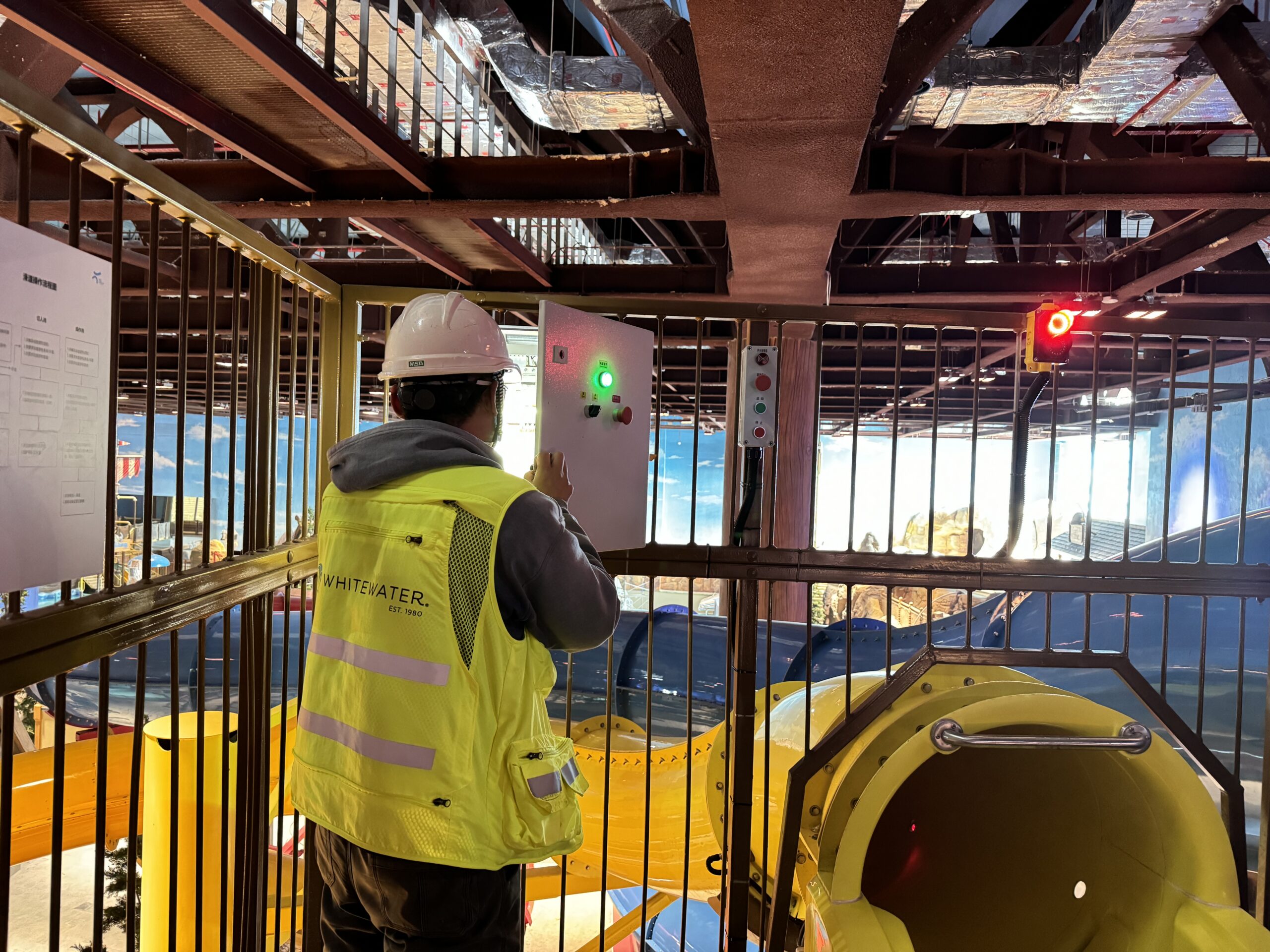
Hardware includes the physical components that allow systems to respond to changing conditions, such as valves, sensors, switches, buttons, and variable frequency drives.
Control logic refers to how those components are configured, programmed, and coordinated to achieve the desired system response.
Some control strategies are simple and manual, while others rely on more advanced automation. Together, an optimized system can reduce energy use, improve reliability, extend equipment life, and help deliver a more consistent guest experience.
One of the most common and effective ways to control motors is with variable frequency drives (VFDs). These electrical controllers manage motor speed by adjusting the electrical frequency and voltage supplied to the equipment. This allows pumps to speed up or slow down depending on how much water is needed, instead of running at full power all the time.
This matters because of how pumps use energy. Even a small reduction in speed can lead to a significant drop in power consumption, especially in systems where flow demand varies. Beyond energy savings, these devices also allow for smoother starts and stops, reducing mechanical stress and extending equipment life. VFDs are most effective in systems with changing demand, and their performance depends heavily on how they’re applied and controlled.
At WhiteWater, our control strategies start with understanding how each attraction operates. We collaborate with our clients to understand what kind of experience they want to offer their guests. From there, we design, build, and work with them to optimize systems to meet their expectations in an energy efficient way.
In automated systems, hardware (VFDs, pumps, sensors, valves, nozzles) and software (programming) work together to make it all happen. It may sound like magic, but it’s not; it’s a continuous flow of instructions and adjustments that keep the system aligned with what’s needed. When it’s done well, everything works together smoothly in the background, delivering joy, excitement, and fun to guests without using more energy and water than necessary.
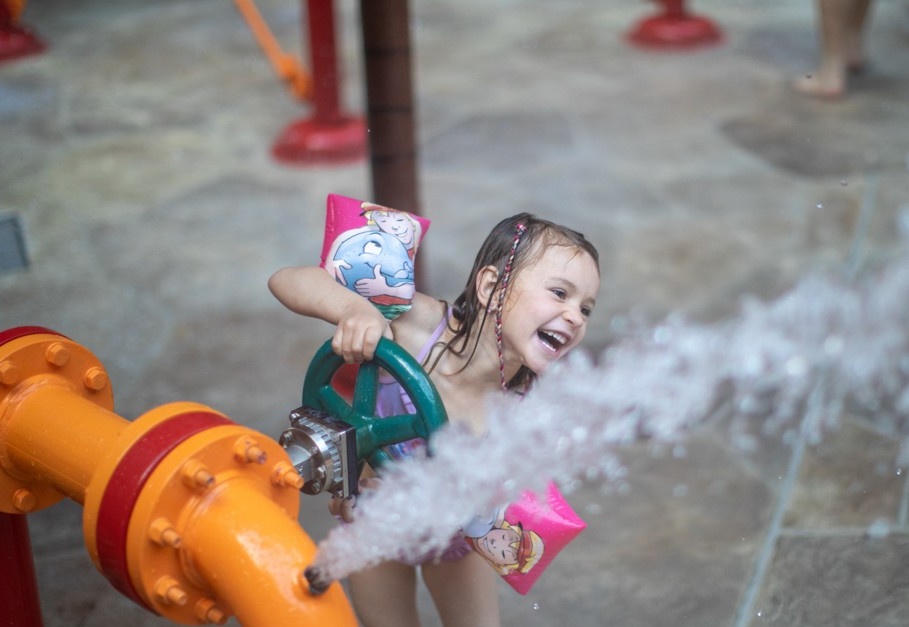
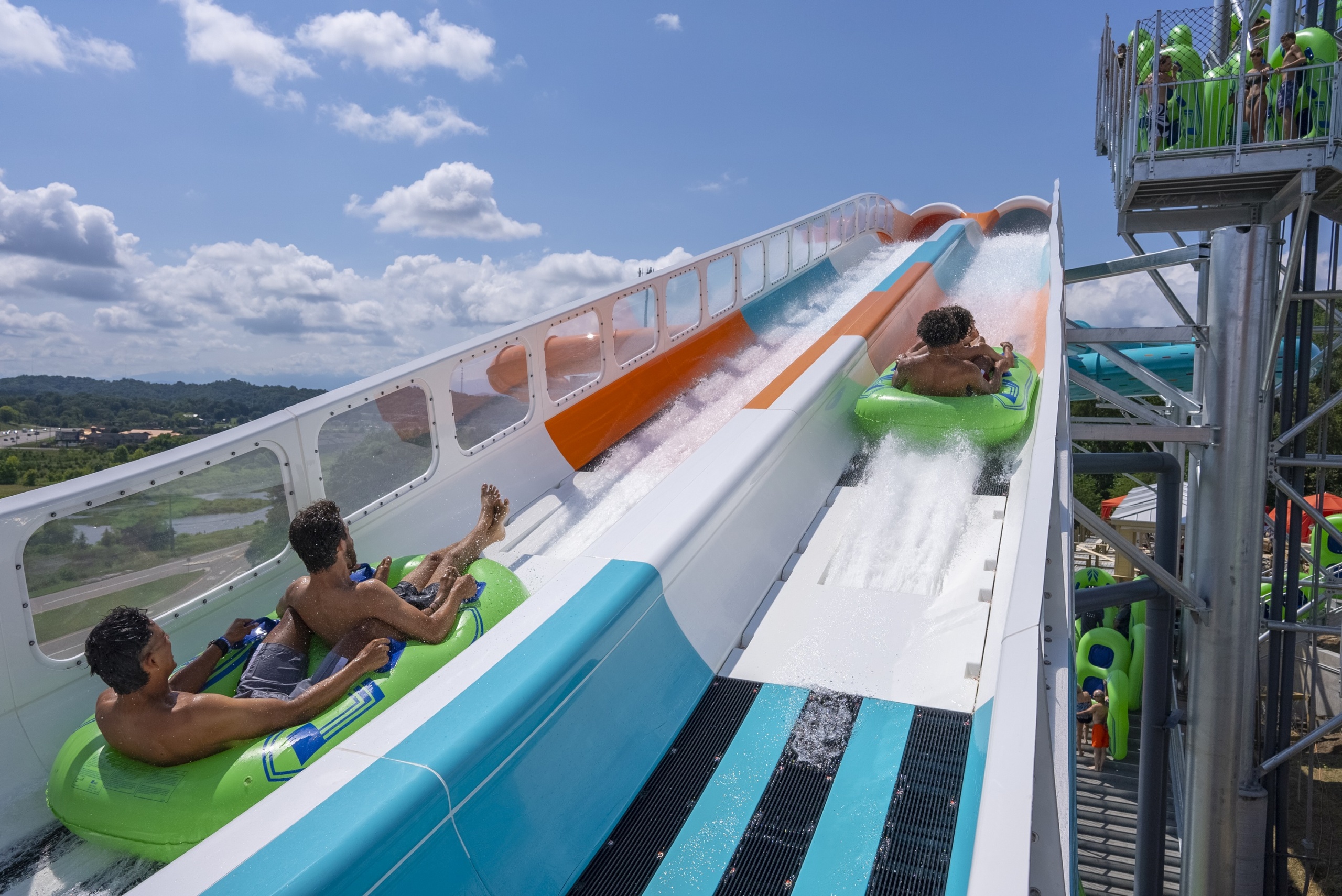
Some control strategies are simple and straightforward. With our aquatic play product line, we can incorporate buttons, pull ropes, and wheels that let guests turn the water on when and where it’s being used. Combined with reduced flow designs, this helps limit water use without taking away from the experience. It’s a straightforward approach that keeps things intuitive for the kids while reducing unnecessary waste behind the scenes.
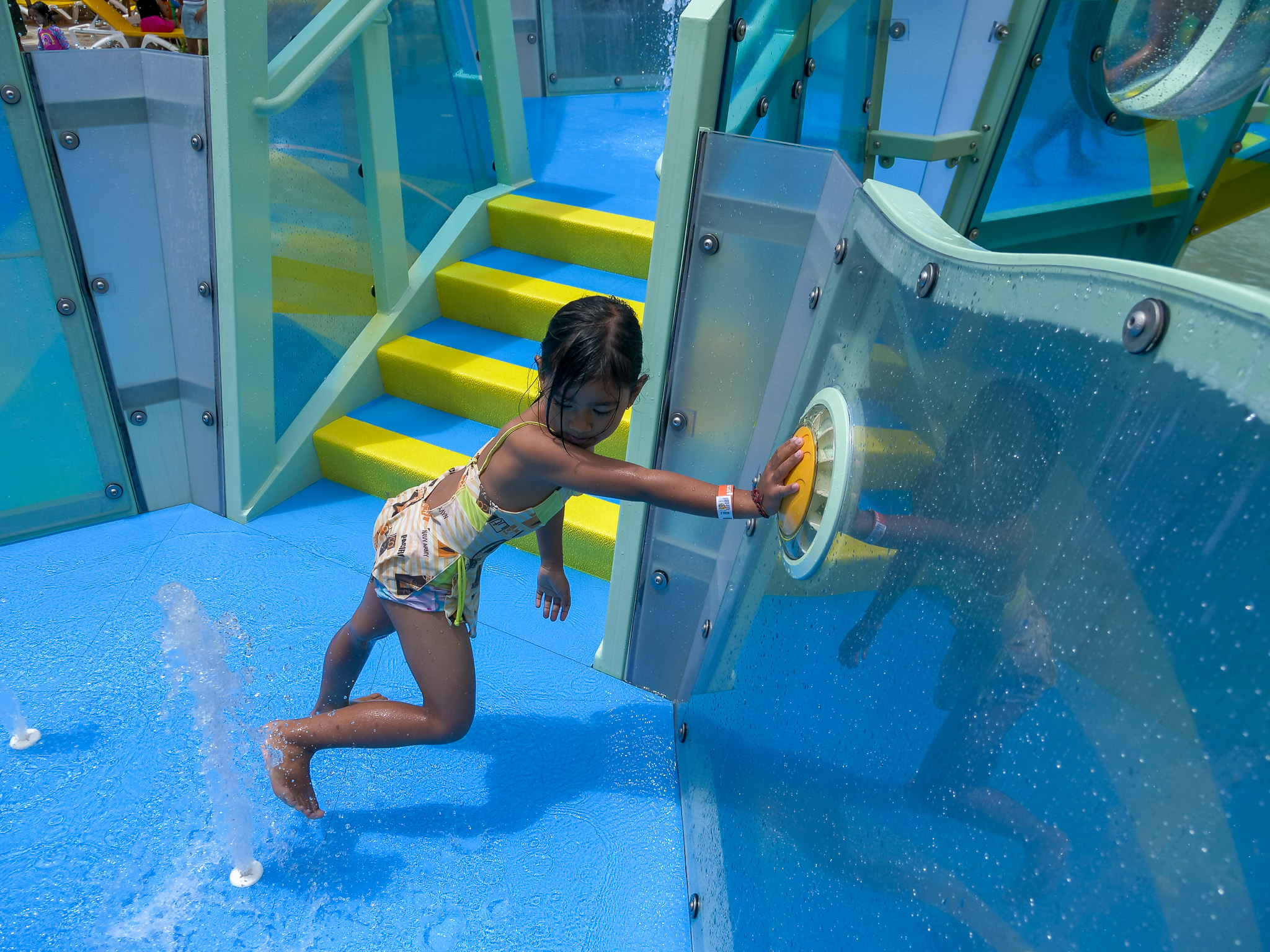
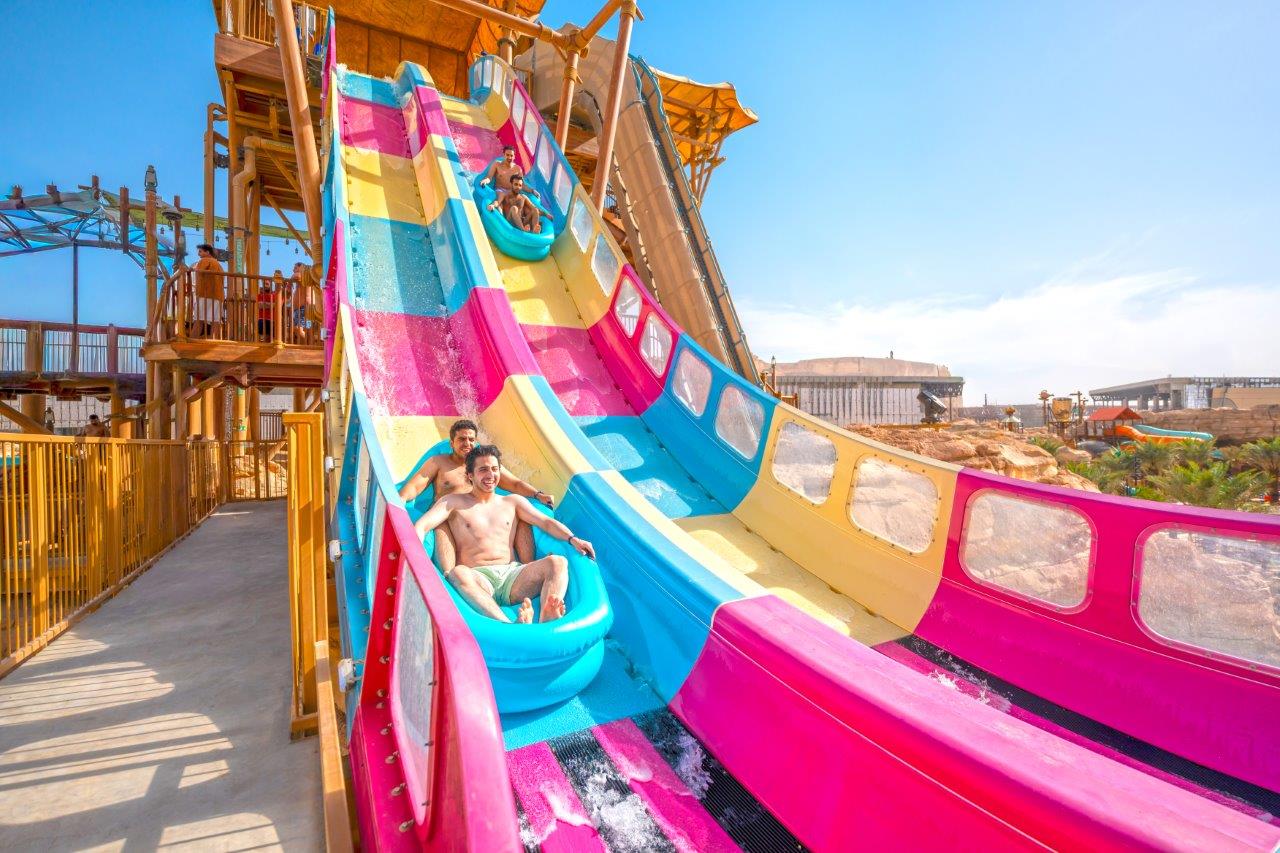
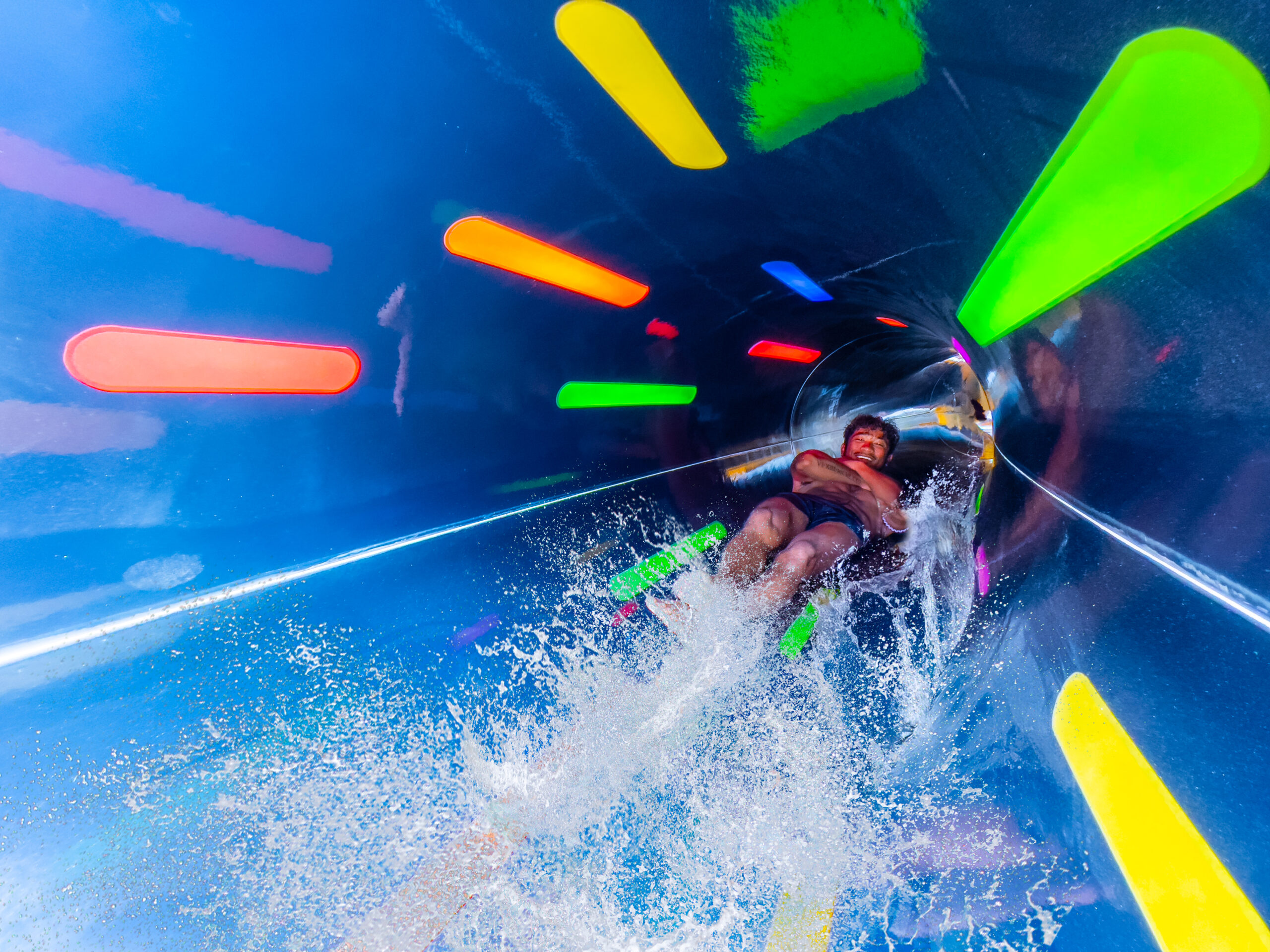
Another example of how we use energy efficient control strategies is our Smart Blast system. Instead of running jets continuously, Smart Blast uses VFDs, sensors, and zone-based controls to activate pumps when pushing rafts over an uphill section of the ride, then ramps them down once they pass.
The result is up to 50% reduction in energy usa, along with reduced wear on equipment and more efficient operation overall, all while maintaining throughput and guest experience.
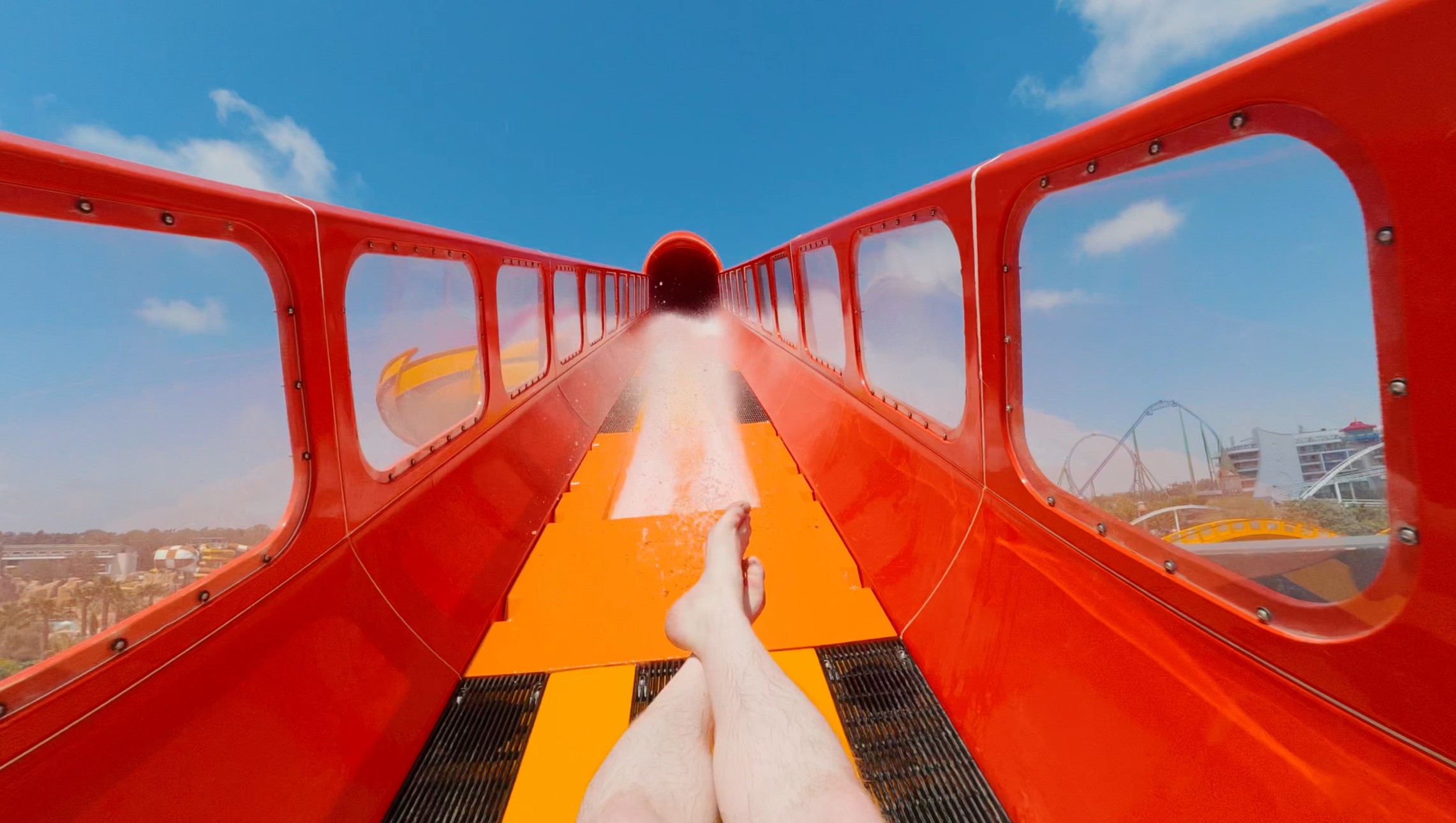
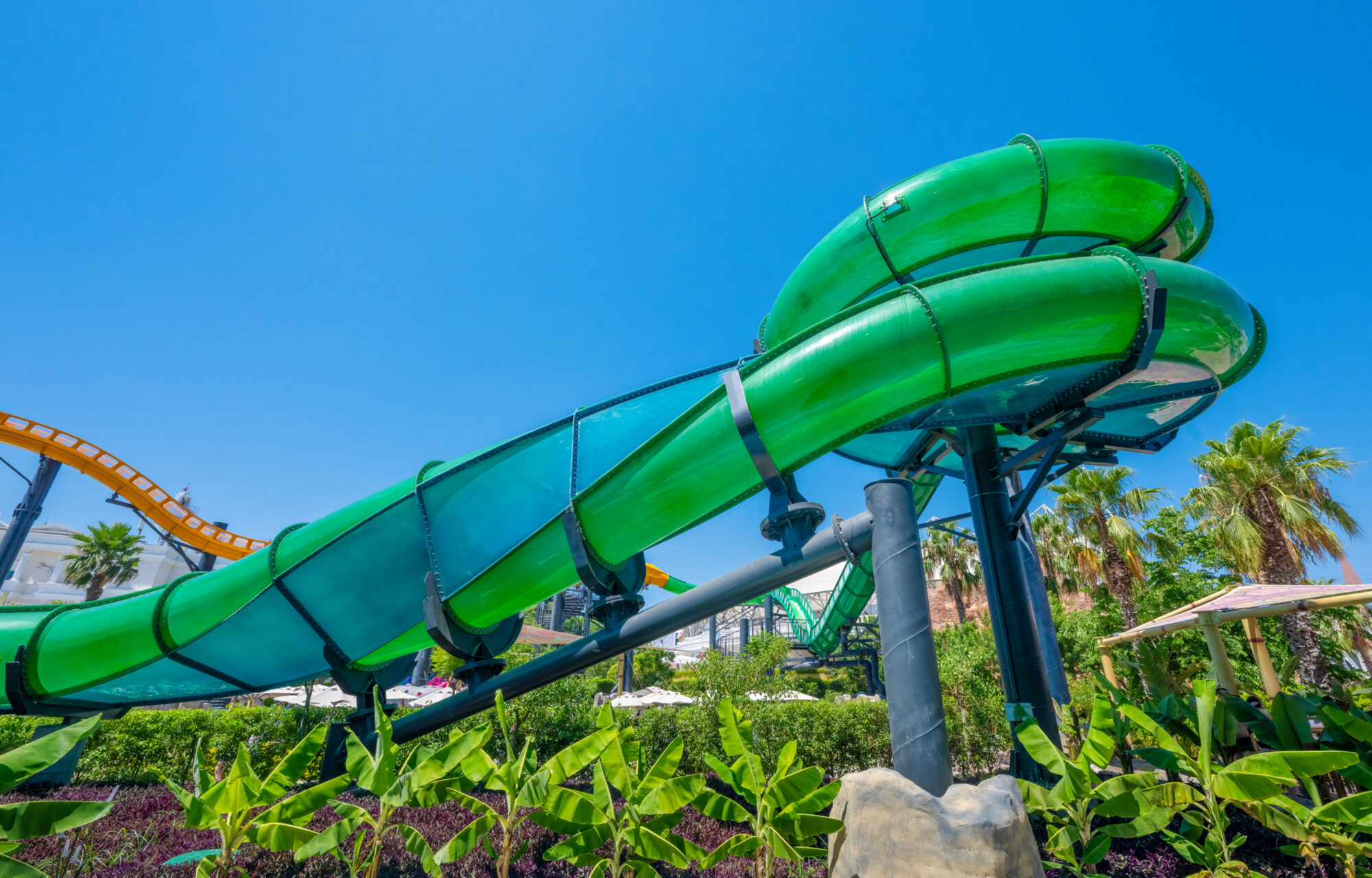
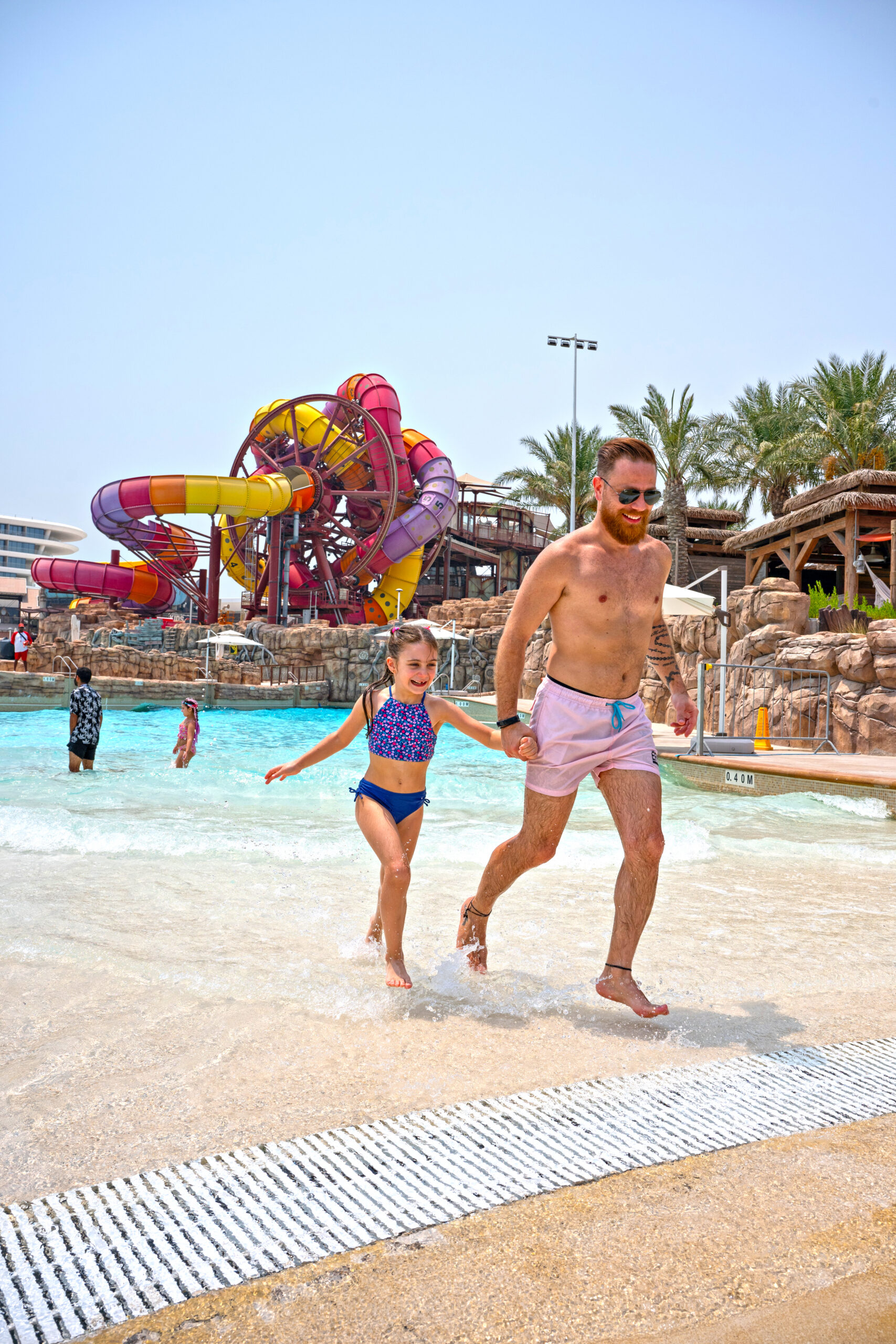
With Master Blaster Ultra—the latest iteration of our popular water coaster—we take an integrated approach by combining efficient system design with smart controls to do more with less. By moving from two nozzles to one on most hills, the system can deliver focused thrust where it is needed while significantly reducing the pumping power required per hill. Improved zoning also allows sections of the ride to operate only when needed, reducing unnecessary runtime while maintaining ride performance. Together, these design and control improvements can reduce power consumption by up to 60%! Slides with Master Blaster Ultra may also benefit from reduced fiberglass requirements and lower water loss from evaporation. For clients, that means a more efficient ride experience with potential savings in both capital and operating costs!
Great performance starts with smarter controls. When systems can tailor their operations based on changing conditions instead of working against themselves, they use less energy, reduce evaporation, and put less strain on equipment.
Find more resources about sustainability here.